What Is PEP?
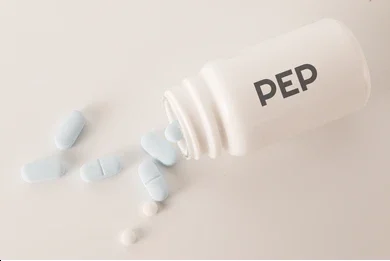
PEP, or post-exposure prophylaxis, is a short-term treatment that helps prevent HIV after a recent possible exposure. It involves taking a 28-day course of daily oral HIV medicines.
The key factor is timing. PEP must be started as soon as possible after potential exposure:
Best within 24 hours
No later than 72 hours (3 days)
After 72 hours, PEP is no longer effective.
PEP is intended for emergency use only. It is not designed for ongoing prevention in people who may be exposed to HIV frequently. For people at ongoing risk, PrEP (pre-exposure prophylaxis) is the recommended option.
How to Get PEP?
PEP medicine must be given within 72 hours of exposure. So, look for immediate medical attention.
Book an emergency consultation with our doctors.
Get a thorough evaluation to see if PEP is suitable for you.
Get a PEP prescription and instructions for use.
Take the medicines for 28 days continuously and ensure regular follow-up appointments to monitor your health and the impacts of PEP.
How Do You Know If You Need PEP?
You may need PEP (post-exposure prophylaxis) if:
You are HIV-negative or don’t know your HIV status, and
You think you were possibly exposed to HIV within the last 72 hours
Possible exposures include:
During sex: condomless sex, condom breakage, or sex with a partner who has HIV and is not virally suppressed, especially if you were not using PrEP.
Injection drug use: sharing needles, syringes, or other equipment (like cookers).
Sexual assault.
Workplace exposure: such as a needlestick injury in a healthcare setting (though this is very rare).
If any of these apply, seek medical care immediately. Every hour counts, and PEP is most effective the sooner you start it—ideally within 24 hours, and no later than 72 hours.
Where Can You Get PEP?
If you think you were recently exposed to HIV, act quickly:
Contact a health care provider right away or go to an emergency room or urgent care clinic.
A doctor, urgent care provider, or ER physician will evaluate your risk, decide whether PEP is appropriate, and prescribe the medicines you need.
You can also use the HIV.gov Locator to find nearby PEP services.
In some U.S. states, pharmacists can prescribe PEP directly, including:
Arkansas, California, Colorado, Illinois, Maine, Nevada, New Mexico, New York, North Carolina, Oregon, Utah, and Virginia.
How Long Do You Need to Take PEP?
If you are prescribed PEP, here’s what you need to know:
Duration: Take the HIV medicines every day for 28 days.
Adherence is crucial: Taking every dose exactly as prescribed gives PEP the best chance to prevent HIV.
Follow-up visits: You must return to your health care provider during and after treatment for:
HIV testing at 4–6 weeks and again at 3 months
Other lab tests as recommended to monitor your health.
How Well Does PEP Work?
PEP can prevent HIV infection if taken correctly, but it is not 100% effective.
Timing matters: The sooner you start PEP after a possible exposure, the more effective it is.
Additional prevention: While taking PEP, continue using other HIV prevention methods:
Condoms: Use correctly, every time you have sex.
Injection safety: Only use new, sterile needles and equipment for injecting drugs.
💡 Combining PEP with these precautions helps maximize your protection against HIV.
Does PEP Cause Side Effects?
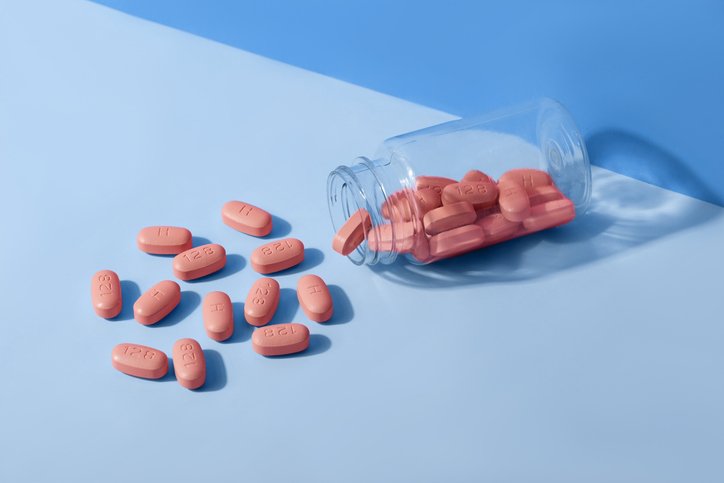
PEP is generally safe, but like all medicines, it can have side effects.
Common side effects: Some people may experience nausea, fatigue, or mild digestive issues. Most side effects can be managed and are not life-threatening.
When to seek help: Contact your health care provider if a side effect bothers you or doesn’t go away.
Drug interactions: PEP medicines can interact with other drugs, including prescription medications, over-the-counter medicines, street drugs, and alcohol. Always tell your health care provider about all substances you take.
💡 Open communication with your provider ensures PEP is both safe and effective for you.
::
Can You Take PEP When You Are Pregnant or Breastfeeding?
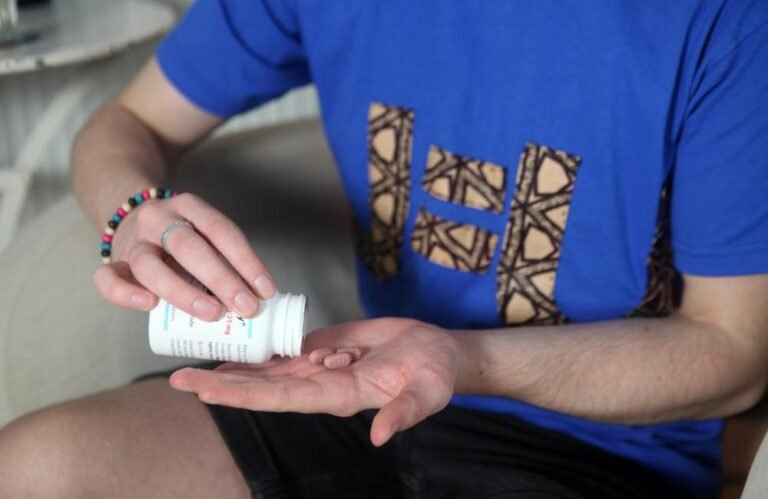
Yes. PEP is safe during pregnancy and breastfeeding. If you are pregnant or breastfeeding, consult with a health care provider about PEP and which PEP regimen is right for you.
Can You Take PEP Every Time You Have a Potential Exposure to HIV?
No. PEP should be used only in emergency situations. It is not intended to replace regular use of other HIV prevention methods. If you feel that you might be exposed to HIV frequently, talk to your health care provider about PrEP (pre-exposure prophylaxis).
How Can You Pay for PEP?
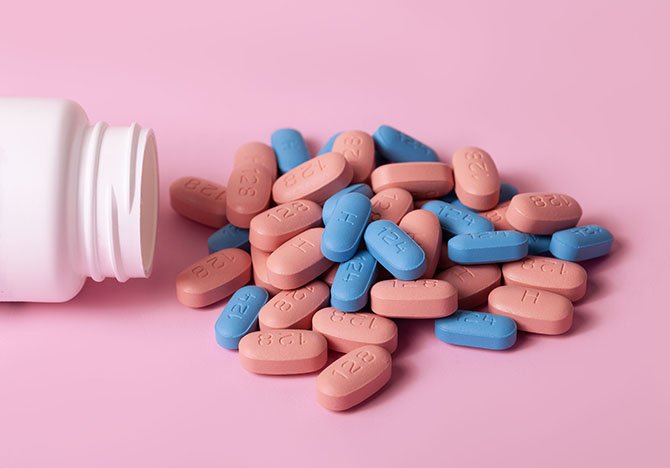
PEP is often covered by health insurance, including Medicaid, but there are also options for people without insurance or who need help with costs:
No insurance
Some pharmaceutical companies offer Patient Assistance Programs (PAPs) to provide free or low-cost PEP medicines.
These requests can often be handled urgently to avoid delaying treatment.
Your health care provider can help you complete the forms.
Insurance but need help with co-payments
Co-payment Assistance Programs (CAPs) can help lower or eliminate costs like deductibles, co-insurance, or co-payments for PEP.
Your prescribing provider can assist in accessing these programs.
After sexual assault
You may be eligible for partial or full reimbursement for PEP medicines and clinical care through the Office for Victims of Crime.
Workplace exposure for health care workers
Workplace health insurance or workers’ compensation typically covers PEP costs.
💡 Even if cost is a concern, there are multiple programs to ensure urgent access to PEP without delay.
How Can You Protect Yourself from HIV after PEP?
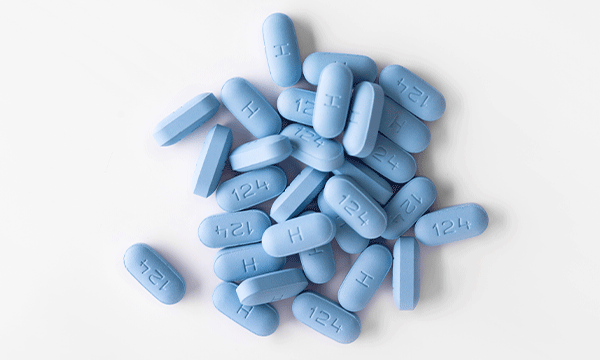
If you believe that you may have a repeat or ongoing exposure to HIV – either sexually or through injection drug use – after completing your 28-day course of PEP medications, talk to your health care provider about the HIV prevention options available for you. You might want to transition to PrEP (pre-exposure prophylaxis) to continue to reduce your risk for acquiring HIV.
Frequently Asked Question?
How soon should PEP be started after exposure?
PEP should be started as quickly as possible after potential exposure to HIV. It works best when taken within 2 hours and must be started no later than 72 hours (3 days). The earlier you start, the more effective it is.
How effective is PEP in preventing HIV?
When taken correctly, PEP is highly effective in reducing the risk of HIV infection. However, it is not 100% guaranteed, so it’s important to take every dose as prescribed and complete the full course.
What is the PEP treatment regimen?
PEP involves taking a combination of HIV medications once or twice daily for 28 days. Completing the full 28-day treatment is essential to ensure maximum protection.
Where can I get PEP?
You can get PEP from:
Hospital emergency rooms
Urgent care clinics
Sexual health clinics
Some primary care offices
Does PEP cause side effects?
Some people may experience side effects from PEP medicines. These are usually mild and manageable, and they are not life-threatening. If any side effect bothers you, let your healthcare provider know so they can help.
Can I take PEP more than once?
Yes, PEP can be taken more than once if needed. However, it is not meant for regular ongoing prevention. If you’re often at risk of HIV, talk to your doctor about PrEP (Pre-Exposure Prophylaxis), which is a better long-term prevention option.