Introduction
HIV (Human Immunodeficiency Virus) affects millions worldwide, but with modern medicine, people living with HIV can lead long, healthy lives. Understanding HIV, its transmission, prevention strategies, and treatment options is essential for staying healthy and reducing stigma.
What is HIV?
HIV is a virus that attacks the immune system, specifically CD4 cells (T-cells), which help the body fight infections. Without treatment, HIV can progress to AIDS (Acquired Immunodeficiency Syndrome), where the immune system is severely weakened.
Key Facts:
Early diagnosis and treatment are crucial to maintain health and prevent transmission.
HIV cannot be transmitted through casual contact like hugging, shaking hands, or sharing utensils.
How HIV is Transmitted
HIV is transmitted through certain body fluids from a person living with HIV who has a detectable viral load. Common ways include:
From mother to child during pregnancy, childbirth, or breastfeeding (if untreated)
Unprotected sex with an HIV-positive partner
Sharing needles, syringes, or other injection equipment
Prevention Strategies
Treatment as Prevention (TasP): People living with HIV who take antiretroviral therapy (ART) and maintain an undetectable viral load cannot transmit HIV sexually.
PrEP (Pre-Exposure Prophylaxis): A daily pill or long-acting injection for people at risk of HIV. When taken consistently, PrEP is highly effective at preventing infection.
Safe Sex Practices: Using condoms correctly and consistently reduces the risk of HIV and other sexually transmitted infections.
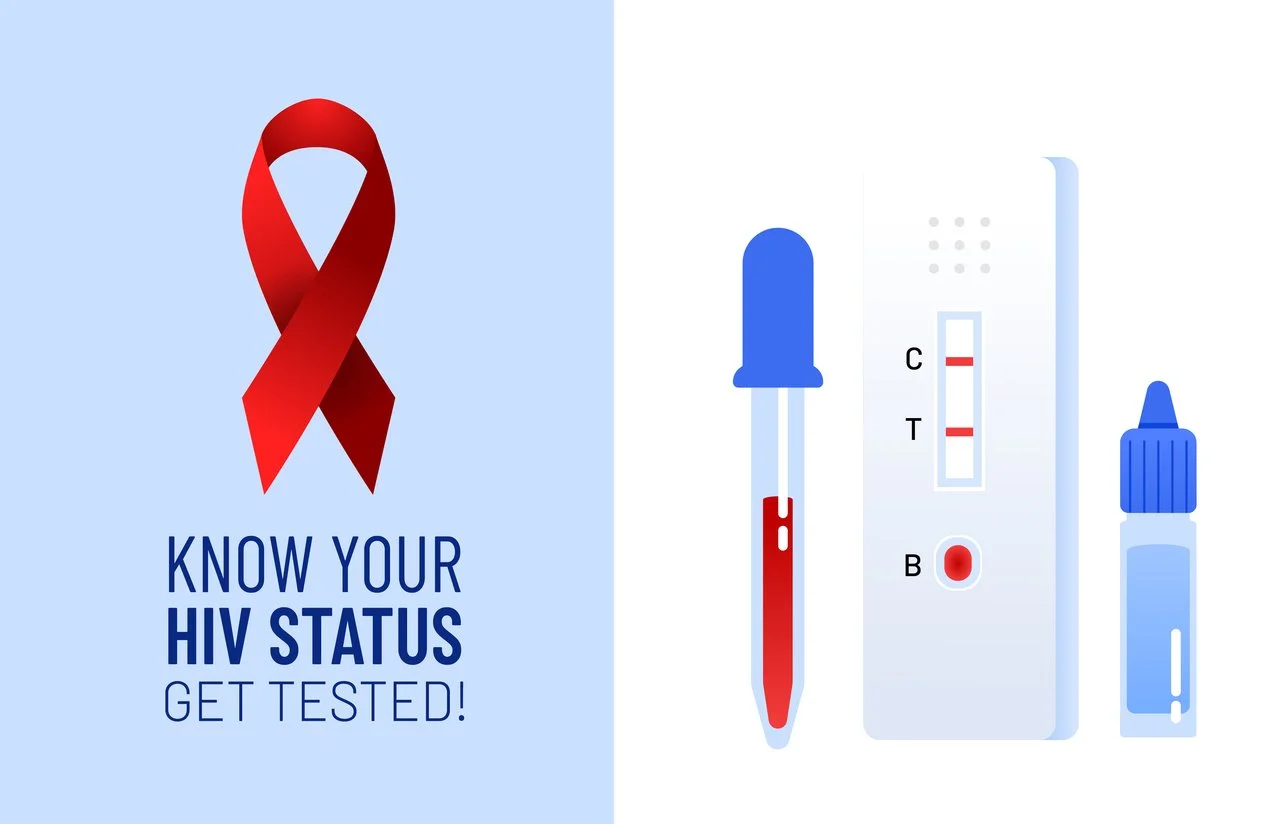
Regular Testing: Knowing your HIV status helps with early treatment and prevents transmission.
Needle Safety: Never share needles or syringes.
Treatment Options
HIV is manageable with antiretroviral therapy (ART), which reduces the virus in the body, maintains immune function, and prevents progression to AIDS. Regular checkups and adherence to medication are key.
Living Well with HIV
With proper treatment, people living with HIV can:
- Lead normal, healthy lives
- Have relationships and children safely
- Reduce the risk of transmitting the virus to others
Tips for a healthy life include:
Mental health support and community engagement
Taking ART as prescribed
Maintaining a balanced diet and regular exercise
Regular health screenings
Conclusion
HIV is no longer a death sentence. Prevention, early diagnosis, and effective treatment have transformed HIV into a manageable chronic condition. Educating yourself and others is the first step toward ending stigma and promoting health.