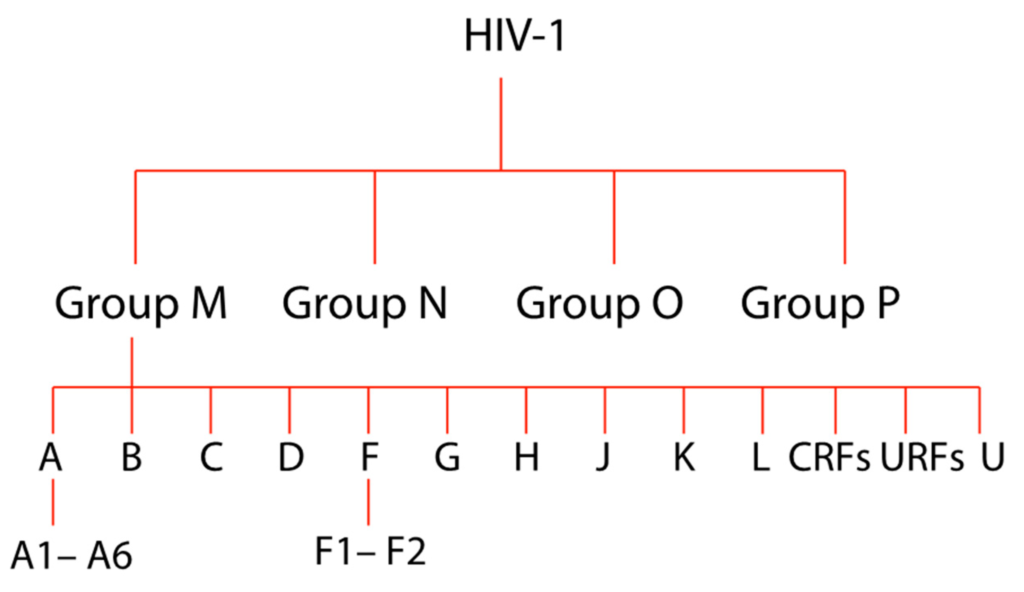
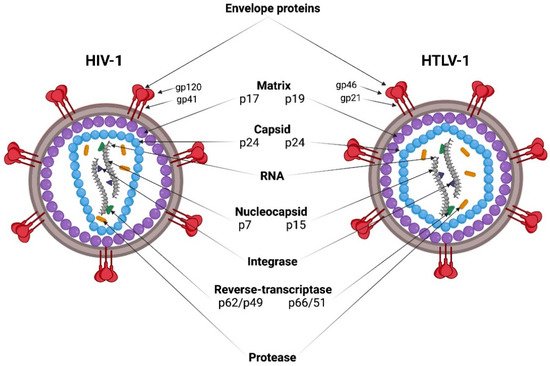

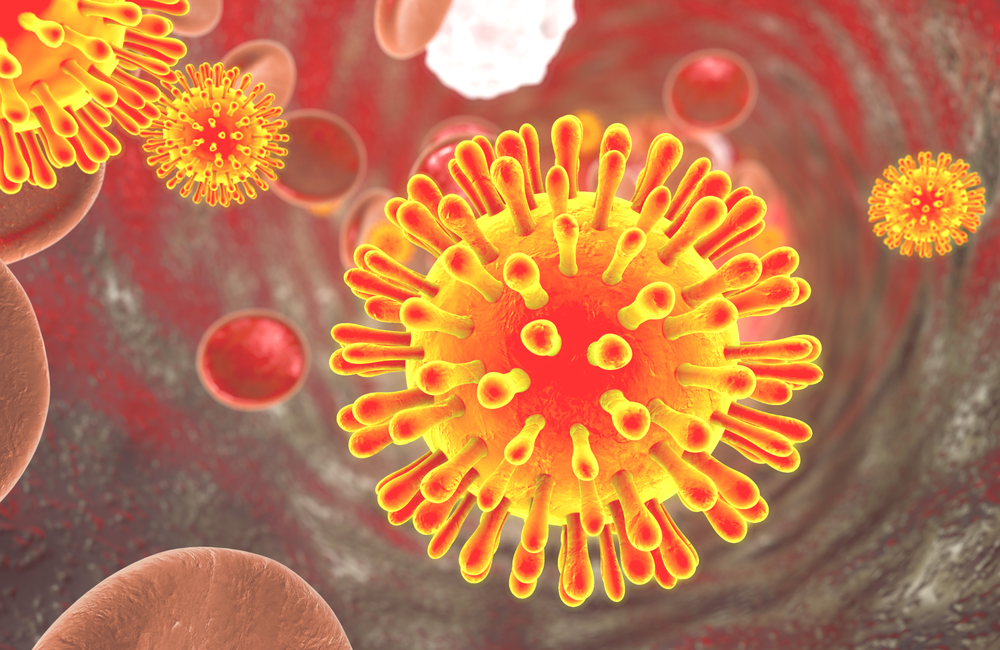
HIV-1 stands for Human Immunodeficiency Virus 1, the most common type of HIV worldwide, which is a retrovirus that infects and destroys CD4 T-lymphocytes, gradually impairing the immune system and increasing the risk of opportunistic infections and cancer. The virus originated from SIVcpz (Simian Immunodeficiency Virus of chimpanzees) and is responsible for the global AIDS pandemic. Early infection can present with flu-like symptoms, including fever, headache, muscle aches, rash, and swollen lymph nodes, though some people may experience no symptoms at all.
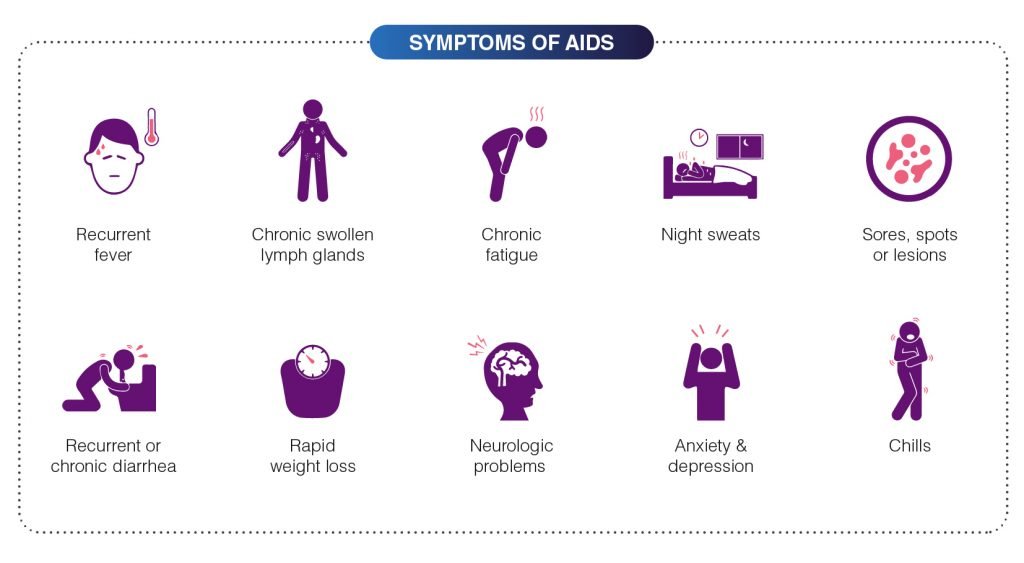
Symptoms vary depending on the stage of the infection.
Fever
Sore throat
Rash
Swollen lymph nodes
Muscle/joint pain
Resembles flu or mononucleosis
Often no symptoms for years
Virus keeps multiplying at low levels
CD4 count <200 cells/µL
Severe infections (opportunistic infections like TB, pneumonia, fungal infections)
Weight loss, night sweats, chronic diarrhea
Certain cancers (Kaposi’s sarcoma, lymphoma)
HIV-1 spreads when infected body fluids enter the bloodstream.
Unprotected sex (vaginal, anal, oral in rare cases).
Sharing needles/syringes.
Mother-to-child (during pregnancy, childbirth, or breastfeeding).
Blood transfusions (rare today due to screening).
HIV is not spread by hugging, shaking hands, sharing food, or mosquito bites.
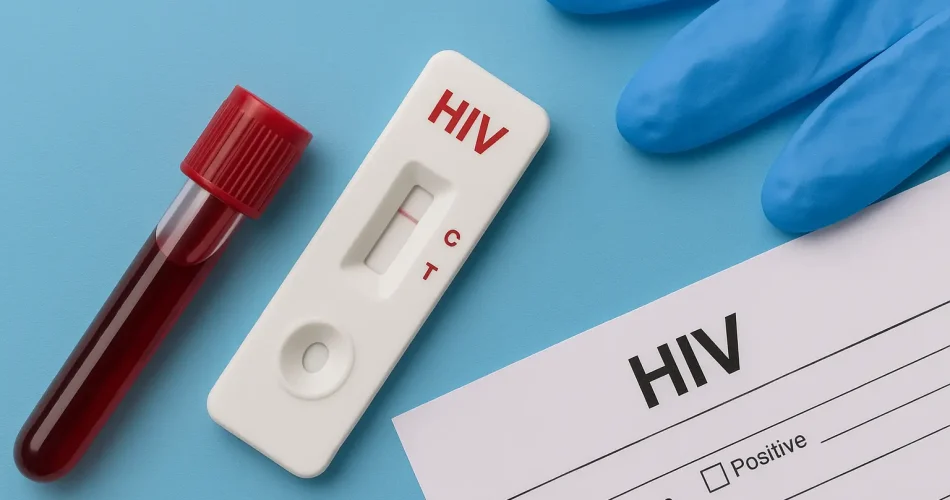
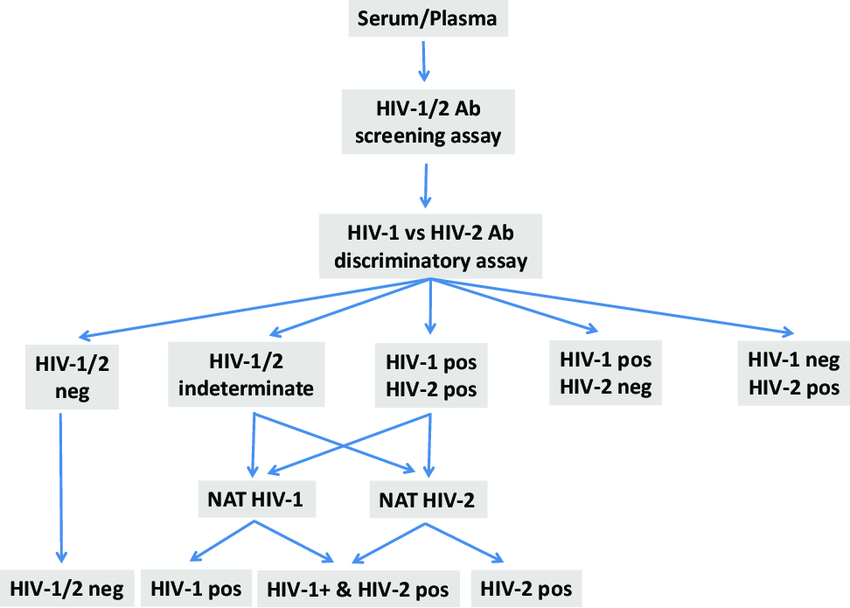
Antibody/antigen tests (ELISA, rapid tests)
PCR test (detects viral RNA)
CD4 count (measures immune strength)
Viral load test (how much virus in blood)
No cure exists yet, but ART (Antiretroviral Therapy) controls HIV.
Combination of 3 or more drugs from different classes.
Main drug classes:
NRTIs (Nucleoside Reverse Transcriptase Inhibitors)
NNRTIs (Non-Nucleoside RT Inhibitors)
PIs (Protease Inhibitors)
INSTIs (Integrase Strand Transfer Inhibitors)
Entry/Fusion inhibitors
✅ ART reduces viral load to undetectable levels → person can live a long, healthy life.
✅ “Undetectable = Untransmittable (U=U)” → If viral load is undetectable, HIV cannot be sexually transmitted.
Consistent condom use
Pre-exposure prophylaxis (PrEP) → daily pill for high-risk individuals
Post-exposure prophylaxis (PEP) → emergency treatment within 72 hours of exposure
Safe needle programs
Regular HIV testing